
Bat Masterson: From Dodge City to the Sports Desk
The Canadian-born frontier gambler ended his working life as a New York sportswriter.
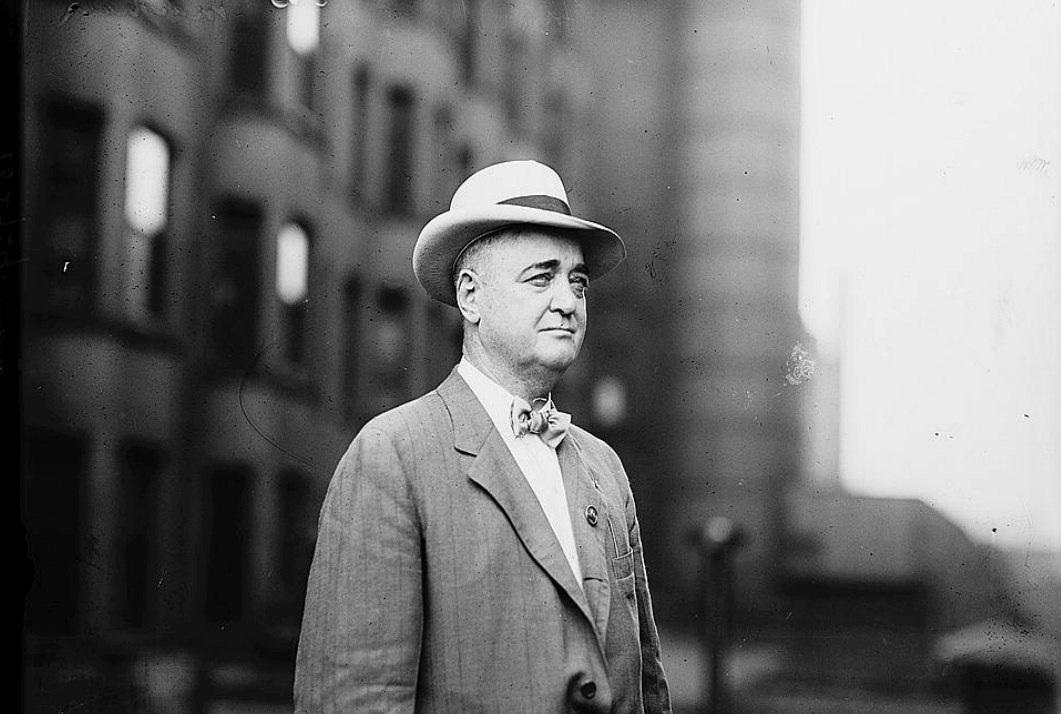
Bat Masterson did something the western rarely allows its characters to do. He changed jobs, changed cities and lived long enough to become known for something other than a gun. The frontier lawman and gambler ended his career writing about sport in New York.
Born in Quebec in 1853, Masterson crossed several kinds of frontier employment. The Kansas Historical Society's family collection places buffalo hunting, gambling, law enforcement and backing boxing contests in the same working life. That mixture is more revealing than a single heroic label.
The sporting man
Masterson became sheriff in Dodge City in 1877. Later, the world of boxing gave him a route between the West and the eastern newspaper business. A sporting man could know promoters, fighters, bettors and the people who wrote about them. Expertise and access were valuable, although neither automatically meant impartiality.
It is worth keeping that distinction in view. The familiar image of Masterson in a smart suit with a cane survived because it was memorable. His work, like the work of Wyatt Earp, was harder to fit on a poster.
A second career in print
The Library of Congress timeline places his move to New York in 1902 and his newspaper column between 1903 and 1921. He wrote for the Morning Telegraph, becoming a recognisable voice on boxing and other sporting questions. The archive's digitised newspapers let readers examine that public persona directly, instead of relying entirely on later westerns.
Masterson died on October 25, 1921, after writing his final column. A life associated with frontier violence ended at a newspaper desk. That ending matters because it restores the years the gunfighter legend tends to leave out.
What the Bandit takes from it
Knowing the people in a game is useful. Knowing how that game works is a different achievement. Masterson's career is a reminder to ask where a confident opinion comes from: experience, access, promotion or evidence. When I assess an offer, the arithmetic still needs to stand up after the storyteller leaves the room. You can test that distinction yourself in the Bonus Heist Lab.
Sources and historical notes
Researched 2026-10-30. Contemporary reports, memoirs and later histories are identified separately in the story. The Bandit's closing interpretation is editorial commentary.