
Bugsy Siegel and the Flamingo: The Mob Builds a Desert Dream
A New York gunman spent six million mob dollars on a casino in the sand. It cost him everything and built modern Las Vegas.
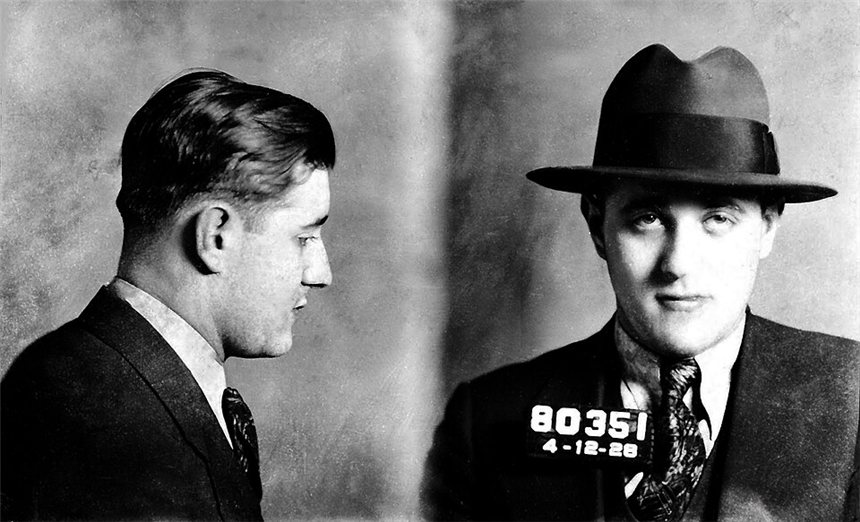
Benjamin Siegel came up in the gangs of Brooklyn alongside Meyer Lansky, and by the 1930s he was one of organised crime's most feared enforcers, a man so volatile his own colleagues coined the nickname he hated: Bugsy. The syndicate sent him west to run its California rackets. What he found in the Nevada desert, where gambling had been legal since 1931, was a scatter of sawdust casinos on a two-lane highway outside a railroad town called Las Vegas.
The Flamingo was not originally his idea. Hollywood publisher Billy Wilkerson started the project and ran out of money. Siegel and his partners bought in, and then Siegel took over with a vision nobody had asked for: not a sawdust hall but a European-style resort, with air conditioning, tuxedoed dealers, a showroom, a pool, and imported palm trees, out where land was cheap because nobody wanted it.
Six million dollars of other people's money
The budget was one and a half million dollars. Siegel spent roughly six, much of it borrowed from men who did not read cost overruns charitably. Materials went missing and were resold to the site twice. The Flamingo opened half-finished on December 26, 1946, to rain, empty tables and a first-week loss. It closed, reopened in March 1947 when the hotel rooms were done, and by May it was quietly profitable.
Profitable came too late. On the night of June 20, 1947, Siegel was reading a newspaper in his girlfriend Virginia Hill's Beverly Hills living room when someone outside fired an Army carbine through the window. The murder has never been solved. The part everyone remembers: within minutes of the news, Lansky's associates walked into the Flamingo and announced they were running it now. The syndicate did not miss a shift change.
What the Bandit takes from it
The Flamingo's first-year ledger is the most honest document in gambling history: even a casino can go broke, briefly, but the house model wins on a long enough timeline, which is why the money kept flowing after the founder stopped. Play knowing the building's economics always favour the building. That is not cynicism; it is the ticket price, and this site prints it on every poster.