
Lefty, Tony and the Stardust Skim
The last great mob casino operation: pension fund money, a count room with a side door, and the crackdown that ended an era.
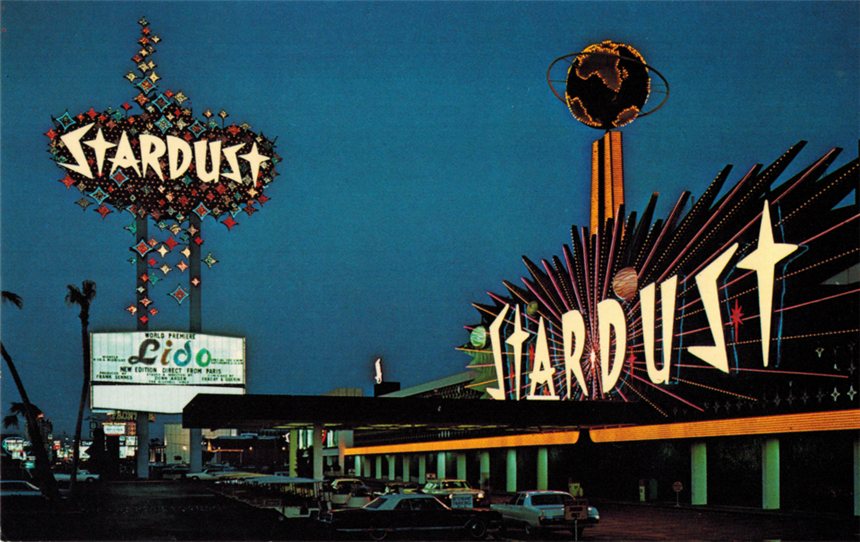
By the 1970s the crude mob Vegas of the Flamingo era had evolved into something more elegant: control without ownership. Midwest crime families arranged for a young Californian named Allen Glick, clean record, real estate background, to buy the Stardust and three other casinos with more than sixty million dollars in loans from the Teamsters pension fund. Glick owned the paper. The real operator was Frank "Lefty" Rosenthal, a Chicago handicapper widely considered the sharpest bookmaker in America, who ran the casinos while holding no gaming licence at all, changing his official job title every time the regulators closed in. Entertainment director was one of them. He booked lounge acts and, on the side, ran four casinos.
Rosenthal was genuinely brilliant at the legitimate half of his job. He built the first full sportsbook inside a casino, put female dealers on the floor, and drove revenue up across the board. The other half of the job was the skim: cash lifted out of the count rooms before it was ever recorded, via rigged scales, an auxiliary bank and couriers to Kansas City and Chicago. Federal investigators later put the take in the millions per year, the single largest documented skim in Nevada history.
The enforcer problem
To protect the arrangement, Chicago sent Anthony Spilotro, a five-foot-two enforcer with a homicide resume. Spilotro instead built his own crew, the Hole in the Wall Gang, named for their habit of entering jewellery stores through the walls, and turned Las Vegas into his personal crime spree. The heat he generated helped burn the whole structure down. Wiretaps and count-room witnesses brought federal indictments in Kansas City and Chicago. Rosenthal survived a car bomb outside a Marie Callender's in 1982, a detail so cinematic Martin Scorsese filmed it more or less as it happened. Spilotro and his brother were beaten to death and buried in an Indiana cornfield in 1986. Rosenthal landed in Nevada's Black Book, banned from every casino in the state, and died in Florida retirement in 2008.
The aftermath mattered more than the bodies. The scandals armed Nevada's regulators and accelerated the corporate takeover of the Strip. The count rooms got cameras, the pension fund money left, and the mob era of Las Vegas ended not with a shootout but with an audit.
What the Bandit takes from it
The Stardust skim worked for exactly as long as nobody independent could see the count room. Everything I check on this site, licences, audited payout figures, recognised dispute bodies, exists because regulators learned that lesson the expensive way. Transparency is not a nicety in this industry. It is the whole game.