Wild Bill Hickok and the Dead Man's Hand
Deadwood, 1876. The most famous poker hand in history was never finished.
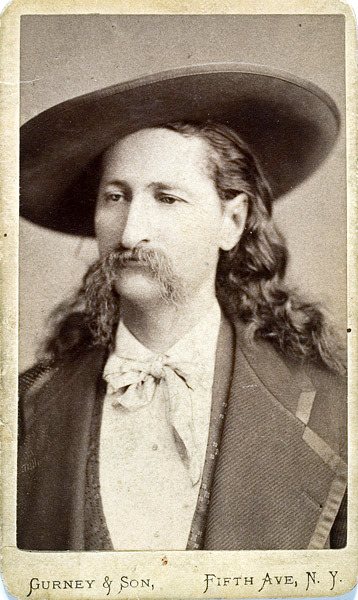
By the summer of 1876, James Butler Hickok was already a legend twice over. He had been a Union scout, a marshal in the cow towns of Kansas, and the survivor of enough gunfights that eastern magazines wrote him up as a frontier demigod. But by the time he rolled into Deadwood, a gold-rush camp so new it was technically illegal, Wild Bill was mostly a poker player. His eyes were failing, his marshal days were behind him, and the card tables of Nuttal and Mann's Saloon No. 10 were where he made his living.
Hickok had one professional habit that everyone who played with him knew: he always sat with his back to the wall. A man with his list of enemies did not give the room a free look at his shoulders. On the afternoon of August 2, 1876, the only open seat at the game faced the wrong way. He asked another player, Charles Rich, to swap. Rich laughed him off. Hickok, uncharacteristically, sat down anyway.
A drifter named Jack McCall walked in, moved behind him as if heading for the bar, drew a revolver, and shot Hickok in the back of the head. He died instantly, and the cards he was holding slid to the floor: two black aces, two black eights, and a fifth card that historians have argued about ever since. Aces and eights have been called the dead man's hand from that day to this.
The trial that happened twice
McCall was tried the next day by a miners' jury in a saloon and, incredibly, acquitted after claiming Hickok had killed his brother. But Deadwood sat on land where the camp itself had no legal standing, so the verdict counted for nothing. The territorial courts tried him again in Yankton, properly this time. He was convicted and hanged in March 1877.
What the Bandit takes from it
Hickok's one rule was positional: know what is behind you before you play a single hand. He broke it exactly once. The rule survives him in this trade in a different form: know the terms behind an offer before you sit down, because the thing that gets you is always the thing you decided not to look at.